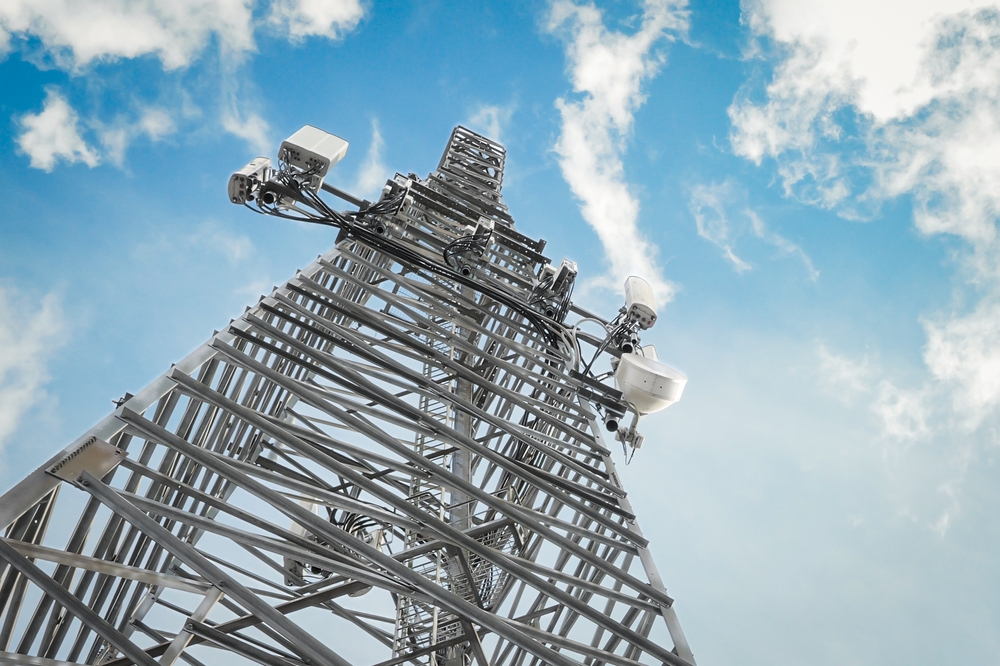
A cell tower lease is an agreement in which a property owner rents a portion of their land or rooftop to a wireless carrier or tower company to install and operate cellular equipment, in exchange for recurring rent. Leases typically begin with a five-year initial term and carry multiple five-year renewal options that can extend the agreement to a total of 25 to 50+ years. Lease rental amounts are highly site-specific, driven by location, network demand, and the terms of the agreement, such as termination rights, among other factors.
If a carrier or tower company has approached you about placing equipment on your property, or you already collect a monthly check, this general guide will help you understand how cell tower leases work, what drives their value, the terms that matter most, and the choices you will face along the way. Wireless infrastructure is a specialized segment of real estate, and the details are where value is gained or lost.
A note on who we are: Symphony Towers is one of the largest and fastest-growing private companies specializing in acquiring and managing wireless assets in North America, including towers and rooftop and ground lease easements. The best way to earn an owner’s trust is to give complete and accurate information, including the reasons you might choose to do nothing at all.
What is a cell tower lease?
A cell tower lease is a contract that lets a wireless company use a defined area of your property, such as on the ground, a section of your rooftop, or vertical space on an existing structure to install and operate the equipment that enables wireless networks. In exchange, you receive recurring rent, typically paid monthly.
Three parties usually appear in these deals: the property/building owner (you), the wireless carrier (Verizon, AT&T, T-Mobile), and the tower company that builds and manages the physical structure. Sometimes a carrier leases from you directly; more often a tower company owns the tower on the ground and holds the lease, and the carriers are its tenants. The arrangement also takes a few forms, such as a ground lease for a freestanding tower or a rooftop lease for antennas atop a building.
How does a cell tower lease work?
What you are actually leasing is usually a portion of your land or rooftop footprint, plus easements that let the tenant run cables and access the site to maintain it. You keep ownership of your land or building. The carrier or tower company owns the tower, antennas, and equipment, and is responsible for maintaining them. You collect rent for the use of space.
Types of cell tower leases
Common lease types:
- Ground lease: a footprint of land for a freestanding tower; the most common arrangement for suburban and rural sites.
- Rooftop lease: space atop a building for antennas; common in dense urban areas where open land is scarce.
- Small-cell / node lease: compact 5G equipment on poles or structures; a smaller footprint.
- Co-location: additional carriers added to an existing tower.
- Additional ground space/expansion: a tenant leases more room to add equipment, which may require a negotiated amendment to your lease for additional monthly rent.
Why no two cell tower leases are alike
There is no single “going rate” for a cell tower lease. Value is set by many factors, including but not limited to network demand, location, zoning, the square footage being leased, and specific lease terms. Accordingly, two nearby sites can have very different lease terms and economics.
It also helps to understand the direction of the market. Carrier consolidation, most visibly Sprint’s merger into T-Mobile and, more recently, DISH’s exit from the market, has left three national carriers deploying sites. These carriers also decommission sites as they continually assess their overall networks, which can terminate leases entirely.
What determines your cell tower lease value?
Several factors drive value, including but not limited to:
- Location, capacity and coverage demand: carriers place equipment where their networks need it. A site that closes a real coverage gap or addresses densification (capacity) is more valuable to a carrier.
- Scarcity and alternatives: your leverage comes from how few other options a carrier has nearby. If your parcel is the only viable spot within a carrier’s search ring, that scarcity supports stronger terms versus if multiple equally good options are within the same search ring.
- Tower type and structure: a ground tower, a rooftop installation, and a small-cell node each carry different economics.
- The lease terms themselves: the factor owners most often underestimate beyond your starting rent. Escalators, renewal rights/number of renewals, and termination clauses matter.
Key cell tower lease terms to understand
When you read a lease or a buyout offer, these provisions shape its real value.
- Escalators: the annual percentage or per term percentage by which your rent rises. Over a 25-to-50-year+ horizon, the frequency and percentage of increases have a significant impact over the long term.
- Initial term and renewals: most leases commence with a five-year initial term with several renewal options. Who controls those renewals, and on what terms, matters.
- Right of first refusal (ROFR): a clause that lets the tenant match any offer you receive. It can limit your options if and when you consider a future sale.
- Assignment restrictions: a clause that prohibits assignment of your interest in the lease to certain third parties. It can limit your options if and when you consider a future sale.
- Termination for convenience: many leases let the carrier end the agreement with relatively short notice. This is the risk that most surprises owners: the rent is not guaranteed for the full term.
- Co-location: whether you benefit when additional carriers install on your site.
- Maintenance obligations: the tenant’s obligations to maintain and repair both its lease premises and its equipment.
- Restoration obligations: what the tenant must do to return the property when the lease ends.
Leasing your land vs. selling your lease (buyout)
At some point, owners may be approached with a different proposition: a lease buyout. Instead of collecting monthly rent, owners could receive a single lump sum today in exchange for the right to their future monthly lease income. What a buyout is worth depends on the lease terms and the carriers installed on the site, among other factors.
Neither path is automatically better; they serve different goals. Keeping the lease preserves the potential for a long-term income stream and any upside from escalators and sometimes co-location, but it also leaves owners exposed to termination risk and to shifts in wireless technology. A buyout converts that future income into certainty and liquidity now and is useful for owners who want to eliminate any potential risk of a termination or re-deploy the lump sum for another priority or need.
Since 2019, Symphony Towers has been one of the leading infrastructure companies that acquire leases nationally, so in a buyout we are on the other side of the transaction, not a neutral advisor. We have earned our reputation and conduct business through education. If you are weighing a buyout against keeping your rent payments, our cell tower lease buyout page explains how we approach these win-win deals.
How Symphony Towers helps property and building owners
Our team has decades of experience in telecommunications and real estate, and we have built Symphony Towers by treating all transactions as partnerships and paying fair market value for the assets involved with unmatched, reliable offers through an efficient closing process.
That experience spans a wide range of owners, from New York condominium associations, a family in Wisconsin, a religious institution in Sacramento, and a university in Michigan; each with different goals and different reasons for the path they chose. Whether you are trying to understand an offer, evaluate a buyout, or simply make sense of a lease you have held for many years, we would be pleased to walk through it with you. Learn more about wireless asset management, or contact us to talk through your situation.
Frequently asked questions
How long does a cell tower lease last?
Leases typically begin with a five-year initial term and carry multiple five-year renewal options that can extend the agreement to a total of 25 to 50+ years.
What determines the value of a cell tower lease?
There is no single “going rate” for a cell tower lease. Value is set by many factors, including but not limited to network demand, location, zoning, the square footage being leased, and specific lease terms. Accordingly, two nearby sites can have very different lease terms and economics.
Can a carrier terminate a cell tower lease?
Many leases let the carrier end the agreement with relatively short notice. This is the risk that most surprises owners: the rent is not guaranteed for the full term.
Should I keep my cell tower lease or sell it?
Neither path is automatically better; they serve different goals. Keeping the lease preserves the potential for a long-term income stream and any upside from escalators and sometimes co-location, but it also leaves owners exposed to termination risk and to shifts in wireless technology. A buyout converts that future income into certainty and liquidity now and is useful for owners who want to eliminate any potential risk of a termination or re-deploy the lump sum for another priority or need.